
2020

Brian Downey Explains What Caused End of Thin Lizzy.


Brian Downey also recalls how he reacted to Lynott's death.
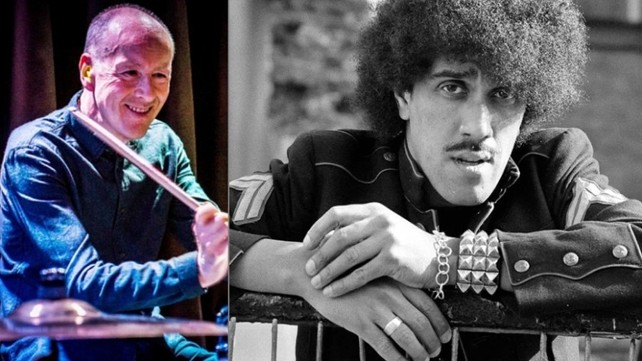
Brian Downey Phil Lynott Thin Lizzy

Drummer Explains What Caused End of Thin Lizzy.

Brian Downey Talks Openly

During a conversation with Classic Rock Magazine, founding Thin Lizzy drummer Brian Downey - the only constant member of the band alongside frontman Phil Lynott until the group ended in 1983 - talked about the end of the group in 1983, the drug issues they faced, the late frontman Phil Lynott, and more.

In 1983 the band split up. It's been said that Phil didn't want that to happen. What actually happened?"It was really a combination of Scott [Gorham, guitar] and Phil [Lynott, vocals/bass] who ended the band.

"Scott was having bad health issues, because of his drug addiction, and wanted to stop so he could work this out.

"Phil also felt it was time to move on. Halfway through the tour, which kept getting extended, we all knew this would be the end of Lizzy.

"I do recall that Darren [Wharton, keyboards] was very upset about it all. The rest of us just accepted it. After the final show [Nuremberg, September 4, 1983] we just shook hands and said goodbye. Simple as that."

How bad were the drug problems in the band at the time?"They were really awful. So much so that if we had stayed on the road, then the consequences could have been grim for both Phil and Scott.

"They were deep into addiction and needed to have the time to sort themselves out. Which Scott did, but Phil didn't."

At the end of 1983, Phil asked you to be part of his new band Grand Slam. You said yes but then changed your mind."What happened? I did agree to join. But then Phil said that they'd learn six or seven songs to play live and just jam for the rest of the set, and I didn't like that idea.

"However, I went along to rehearsals in Dublin for a while. These were close to where Phil lived, but it took me an hour or so to drive over.

"I'd get there for 2 PM - when the rehearsals were supposed to start - but nobody else turned up until six.

"After a week of this, I got disillusioned, and said something to the others, and after that, they began to arrive earlier. All except Phil.

"He'd turn up at all hours, because he was going out every night, get drunk and not make it home to 6 AM.

"I put it down to a lack of interest on his part, and told him that I couldn't carry on like this and was leaving the band.

"He accepted my decision, and we parted as friends, but he never tried to persuade me to stay."

It's been reported that you and Phil had discussed a Lizzy reunion just before he died. How close was it to happening?"We did talk about doing it. I was up for the idea, and Scott was almost ready after dealing with his health problems. But something had to be done about Phil's drug and drink problems."I did try to talk to Phil about his issues, but he was in denial. And I didn't want to come straight out and tell him bluntly that he needed help, so went round the houses a bit."But Phil's problems were always going to be the stumbling block."

Phil died in 1986. How shocked were you by his death?"It surprised me and everyone else. We all knew he was ill, but never expected this. None of us had any idea how much damage he'd done to his liver and other organs.

"His body was going into shutdown. But when his death was announced, it was a massive shock - and remained so for years. Phil had an amazing constitution, and we all thought he was invincible.

"Maybe we should have taken more notice and spoken up, but we never did. Besides, would he have listened? In that era, nobody went into rehab.

"The last time I saw him was when I was asked to be his drummer and mime along to 19 on the Christmas [1985] edition of the TV show Razzamatazz.

"He looked bloated and overweight, although still in good form. Phil was drinking brandy on the early-afternoon flight up to Newcastle, where the show was filmed.

"We missed our dress rehearsal slot because he locked himself in the dressing room.

"When he finally opened the door, he looked groggy and was sweating - he'd obviously taken something. In the end, all we got was a five-minute rehearsal, instead of the planned 30 minutes.

"Phil really was in no fit state to do the show, although it came out OK."

How would you sum up Phil Lynott as a person and as a musician?"He was such an important part of my life. A good friend and mentor. I would go to him for advice instead of my dad. He had such an amazing personality.

"As a musician, he was so dedicated. When it was decided that he should play bass as well as sing in Lizzy, he had very little time to learn from scratch how to play that instrument.

"So he locked himself in his flat and pulled it off.

"I expected Phil's bass playing to be a disaster at our first show, but he was excellent. He became such an amazing player, with his own unbelievable style.

"As a songwriter, he was second to none. Whatever Phil wanted to do, he'd work hard to master. There is nobody like him these days."

You were part of the revived Thin Lizzy from 1996 to 2016. Why did you leave?"When I was asked by Scott to join in '96, I expected it to be for one tour. Which would have been a fun thing to do. But then we did a second tour, and it kept going.

"I wasn't prepared to do this, so left in 1998. But I came back in 2010. However, in 2016 it was suggested we change the name to Black Star Riders and record an album. That didn't interest me, so I left them to it."

In 2012 wasn't there talk about doing a new Thin Lizzy studio album?"Yes. And we even did demos. When this was first put forward, I didn't think it was a good idea. I was happy with us just playing our songs live, and leaving it at that.

"But despite my reticence, the idea grew legs. Everybody else was into the excitement of doing a new studio album, and I was carried along with it for a while.

"Thankfully, common sense prevailed and we stopped looking to do an album. However, the rest of the guys were still keen to record, which is when the name change happened. That's when I decided to step aside."


Read more

  • Read more News

    Visit main NEWS page

  • Back - Previoius

    Go back to previous page 


Disclaimer:

While every effort has been made to ensure the accuracy of this information, it is provided "as is" for your information only.
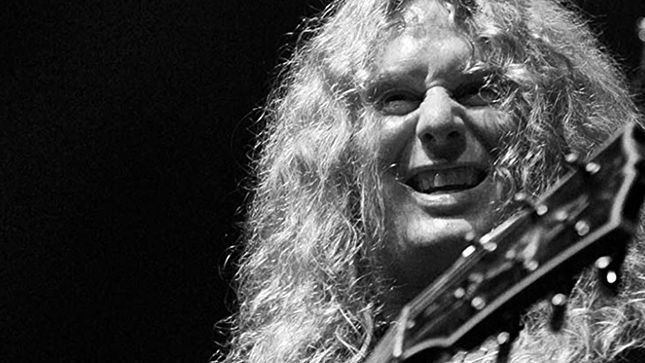
JOHN SYKES To Release New Single


After an extended period of time

John returns with new single

Dawning Of A Brand New Day' Tomorrow

Guitar legend John Sykes (Tygers Of Pan Tang, Thin Lizzy, Whitesnake, Blue Murder) has released a new single, "Dawning Of A Brand New Day". The track is due to appear on his forthcoming album, Sy-Ops.

Read more

  • Read more News

    Visit main NEWS page

  • Back - Previoius

    Go back to previous page 


Disclaimer:

While every effort has been made to ensure the accuracy of this information, it is provided "as is" for your information only.
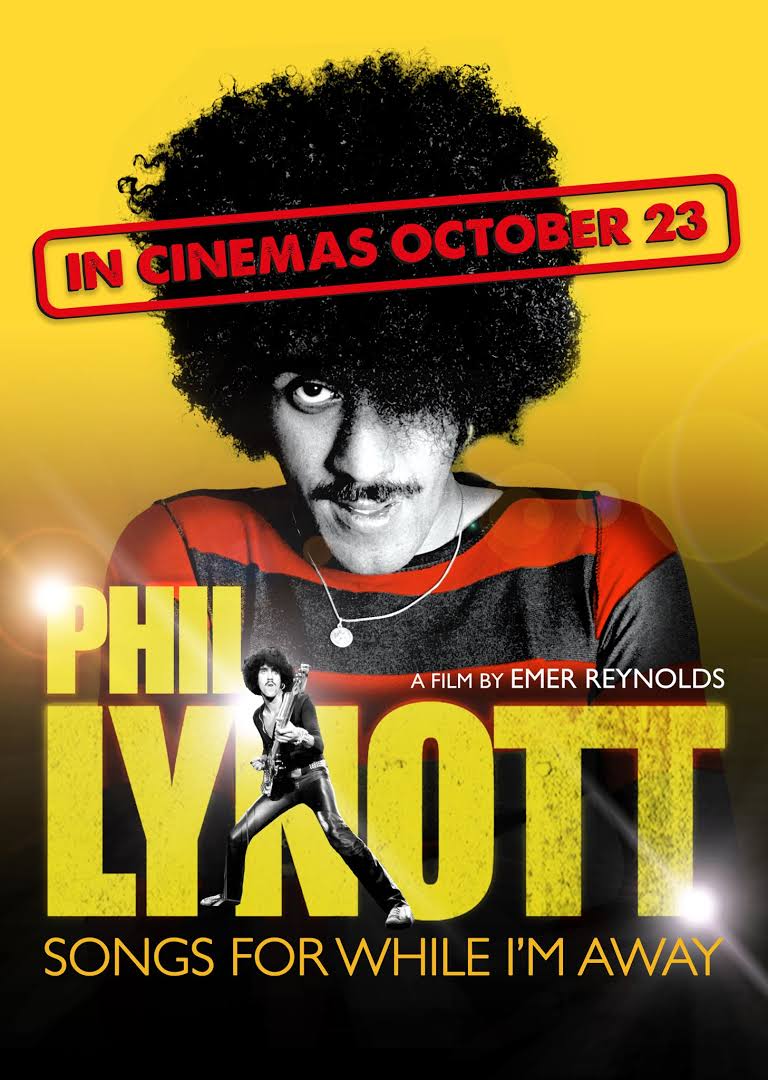
New Phil Lynott Documentary


Phil Lynott Thin Lizzy Grand Slam Dublin West Brom

Long awaited documentary

The film follows Philip`s life more or less in chronological order from his birth in West Bromwich to his childhood growing up in Dublin, his rise to fame and his eventual passing.

His mom Philomena gave birth to him in the West Midlands and in the early fifties bringing up a child, especially of a mixed racial heritage was frowned upon. To support her son, she had her parents raise him in the Dublin suburbs while she worked in England.

If it was difficult in the English West Midlands it must certainly have been difficult in rural Ireland.

The film is two hours long and interviews U2`s Adam Clayton, former bandmates, friend Gus Curtis, Philip`s cousins Monica and Peter, former girlfriend Gale Claydon, his daughters Sarah and Cathleen and his wife Caroline 

Read more

  • Read more News

    Visit main NEWS page

  • Back - Previoius

    Go back to previous page 


Disclaimer:

While every effort has been made to ensure the accuracy of this information, it is provided "as is" for your information only.

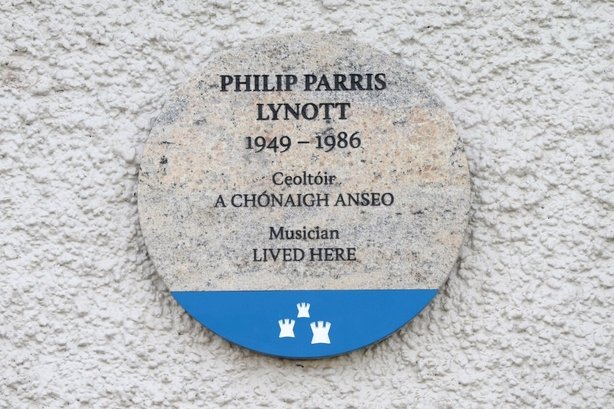
New plaque unveiled for Thin Lizzy star Phil Lynott in Crumlin


A Dublin City Council commemorative plaque to Phil Lynott has been unveiled at the house in Crumlin, Dublin, where the late Thin Lizzy front man where grew up

Panel with Title

January 4 2021 will mark the 25th anniversary of the iconic Irish singer’s death from pneumonia and heart failure due to septicaemia after being hospitalised with serious drug addiction issues.

Lynott’s uncle, Peter Lynott, was the guest of honour at the unveiling, which was attended by a small gathering of friends and those who worked closely tie to the late musician.

“It’s absolutely fantastic. What a tribute to a great man, a very humble man,” Peter Lynott told the Irish Independent.

“Who would have thought 65 years ago when Philo and I were reading comics on the bedroom floor, that a plaque would be going up outside this very house?”.

He was joined by filmmaker Emer Reynolds, whose upcoming Phil Lynott documentary Songs for While I’m Away is due to be on St Stephen’s Day.

Read more

“When in England he’d say he's from Ireland, when in Ireland he’d say he's from Dublin, when in Dublin he’d say he's from Crumlin & when in Crumlin he’d say he's from Leighlin Road” Thin Lizzy frontman Phil Lynott has been honoured at the house where he grew up

Speaking about the unveiling, Councillor Michael Mac Donncha, Chair of the City Council’s Commemorations & Naming Committee said: "The Commemorative Plaques scheme allows the City to formally commemorate people who have made a significant contribution to the life of Dublin.

"Through his music Philip Lynott brought happiness and joy to Dubliners and to fans all around the world. It is fitting that the City in which he grew up honours him with this commemorative plaque".

  • Read more News

    Visit main NEWS page

  • Back - Previoius

    Go back to previous page 


Disclaimer:

While every effort has been made to ensure the accuracy of this information, it is provided "as is" for your information only.
Phil Lynott Murial


Photograph of a new mural of THIN LIZZY frontman PHIL LYNOTT, in Crumlin title "One of Our Own", by artist AINE MACKEN painted on an electricity box in his hometown of Crumlin, Dublin.

Back

*** Special Note ***
While every effort has been made to ensure the accuracy of this information, it is provided "as is" for your information only.

Rock Legends

Releases


To celebrate 50 years of Thin Lizzy Universal are proud to announce the first instalment of an archive release programme that will cover the career of one of the most iconic and respected bands of the 1970s. Rock Legends’ is a six CD one DVD Super Deluxe Edition that features 99 Tracks in total, 74 of which are unreleased and 83 of which have never been released on CD or streaming. It is simply the ultimate Thin Lizzy boxset. Rock Legends’ covers the bands whole career over 6 discs newly mastered by Andy Pearce encompassing a raft of unreleased material including demos, radio sessions, live recordings and rare single edits. The track listing has been compiled by Thin Lizzy guitarist Scott Gorham and Lizzy expert Nick Sharp from a collection of newly discovered tapes most of which have never been heard before. The box is housed in a 10” x 6” slipcase and in addition to the six CDs contains a DVD with the hour long ‘Bad Reputation’ BBC documentary and the band’s legendary performance on the Rod Stewart ‘A Night on the Town’ TV Special from 1976. The set also contains replicas of the bands tour programmes bound into a hard-backed book, the very sought-after Phil Lynott Poetry books, 4 prints by legendary Lizzy cover artist Jim Fitzpatrick and a book containing quotes by all the members of the band about their experiences playing with Phil Lynott and Thin Lizzy. It also has a selection of famous fans such as Slash, Lemmy, Joe Elliot, Geddy Lee, James Hetfield, Ian Gillan, Henry Rollins, Billy Corgan, Bobby Gillespie, Craig Finn, John McEnroe and Pat Cash talking about the band.

Back

Disclaimer:

While every effort has been made to ensure the accuracy of this information, it is provided "as is" for your information only.

Songs for While I am Away


Insert Lead text such as publication, who and date etc

Long Awaited Film of Phils Life Finally Gets Released

And having been lucky enough to have seen it I can say it is very good well worth getting along to see it!

We share the Hot Press interview with Director Emer Reynolds

Read more

  • Read more News

    Visit main NEWS page

  • Back - Previoius

    Go back to previous page 


Disclaimer:

While every effort has been made to ensure the accuracy of this information, it is provided "as is" for your information only.

Thin Lizzy Fan

Thin Lizzy Fan


Welcome to the new look "Thin Lizzy Fan" Web Site

In 2020 the web site was given a major overhaul and new look - as a result a number of the established links to the various pages of the old web site were updated. 

You have reached this page because a link requested has changed - please click on the images below to visit the various sections of the new site. 

Enjoy!

- Jim Cameron


  • Home Page

    Enter The world of Phil Lynott and Thin Lizzy

  • Biography

    An Illustrated history of Phil Lynott and Thin Lizzy

  • Releases

    A-Z listing of releases. This was the discography section on the old web site.

  • The Wall

    The famous "WALL" from the original site - with a modern twist.

  • Gallery

    A gallery of images Thin Lizzy related

  • Tributes

    Thin Lizzy and Phil Lynott tribute bands and acts

  • Vibes

    Links to images and pages for Vibe events

  • News

    The latest News and items about Thin Lizzy and Phil Lynott

  • Who Is?

    Who is who - the names that keep popping up in the Phil Lynott story

  • Interviews

    Interviews with those involved with Phil Lynott and Thin Lizzy

  • Gravesite

    Phil Lynott's resting place in Dublin

  • Books

    Some of the books by and/or about Thin Lizzy and Phil Lynott

  • Lyrics

    Lyrics from Thin Lizzy songs, and songs by band members

  • Reviews

    Reviews from Thin Lizzy concerts

  • MP3 & Midi

    Listen to and download MP3/Midi songs 

To mark what would have been her 90th birthday, we're revisiting Niall Stokes' tribute to Philomena


To mark what would have been her 90th birthday, we pay to' tribute to Philomena we revisit the Hot Press's intervew with Niall Stokes

To mark what would have been her 90th birthday, we're revisiting Niall Stokes' tribute to Philomena, the mother of Philip Lynott and a star in her own right – originally published in Hot Press shortly after her death in 2019.

There are few of us now who would dare to underestimate the importance of Philip Lynott to music in Ireland. He was one of the great pioneering figures, who blazed a trail for the many legions that have since followed.

Students of modern Irish music will know, of course, that Van Morrison was first out of the traps. He left Belfast for London with his group Them, and hit the charts first, in 1964, with the single ‘Baby Please Don’t Go’. That was a cover version of a traditional blues song, originally made popular by Big Joe Williams in 1935. On the flip-side of that single was a song called ‘Gloria’. Boasting just three chords and nothing that you could really call a melody, it was a stunning, explosive piece of musical voodoo that would ultimately far outstrip the A-side in terms of influence and importance.

From an Irish perspective, it was a landmark moment. Written by Van Morrison at the age of just eighteen, and sung by the man himself, the song was steeped in the blues and soul music. It was also powerfully carnal, and very much of the moment, capturing something raw and elemental in a way that would fire the collective imagination of rock’n’roll musicians, far off into the future, including the likes of Jimi Hendrix, The Doors, David Bowie, U2, Simple Minds and Patti Smith – all of whom played notable cover versions. For those who heard and understood, especially in Ireland, there was a sense that things might never be the same again. And they weren’t.

In the early to mid-60s, other Irish bands battled for recognition during the years of the beat boom. An Englishman and a student at Trinity College, Ian Whitcomb and his band of Irish musicians who traded as Bluesville, had three US Hot 100 hits in 1964, though their success felt far away at the time, and was not sustained.

For everyone else, the mountain seemed too high to climb. The Gentry, The Creatures, The Chosen Few, The Uptown Band and Ditch Cassidy were all contenders, but none of them ever properly achieved lift-off. Granny’s Intentions from Limerick moved to London and secured a deal with Deram Records, but they eventually stalled. It was Rory Gallagher who next broke through, in a big way, with Taste. Formed in Cork in 1966, the band were signed by Polydor Records, releasing their eponymous debut album, Taste, in April 1969.

Taste were a power-trio with a phenomenal virtuoso guitarist in Rory. With the rise of Jimi Hendrix and Cream, the format was in vogue, and Rory took it to new places, before going solo – and scaling ever more vertiginous heights. He was the second great pioneer.

Back in Dublin, Brush Shiels had formed Skid Row, with a gangling young black kid from Crumlin by the name of Philip Lynott as lead singer. But when Gary Moore travelled down from Belfast to join the group, the attraction of going the power-trio route became obvious. Gary could play the guitar like a demon. He could also sing. As could Brush. Brush decided that they didn't need a singer out front. The band leader let Philip down gently, giving him a bass guitar by way of compensation – and Skid Row duly signed to CBS Records. Their story is one of what might have been, as management skulduggery derailed the operation internationally, and they failed to find a crossover audience back at home.

Skid Row’s misfortune saw Thin Lizzy – with Philip Lynott as prime mover – emerge as the third great pioneering influence, after Van and Rory. Thin Lizzy started out as a power-trio of sorts too. But, inspired by the Irish folk and ballad revival, and taking inspiration from Van Morrison’s official solo debut album, 1968’s Belfast-drenched Astral Weeks, Lizzy mixed a folkier feel, and songs about Ireland, and about Dublin, with blues and Hendrix-influenced tracks.

Their debut, Thin Lizzy, was released in 1971 and they had their first hit with ‘Whiskey In The Jar’ in 1973, before the band’s guitarist Eric Bell left.

The new twin-guitar Lizzy that coalesced after the split gathered momentum gradually as a live act, before breaking out globally with the Jailbreak LP, in 1976. Lifted from that album, the single ‘The Boys Are Back In Town’ was a No.1 hit in Ireland, No.8 in the UK and No.12 in the US. Thin Lizzy had arrived as a major force. Philip Lynott walked and talked like a real rock star. He had charisma to burn. People in Ireland loved him.

STATE OF DEPRESSION

Even before Thin Lizzy had gone mega, fans were aware of Philip Lynott's mother, Philomena.

She appeared, on the Thin Lizzy LP, referred to simply as ‘mother’, in the song ‘Clifton Grange Hotel’ – a paean to the showbiz hotel she ran in Manchester. She was there too, as a kind of benign, underlying spirit, in the title tracks of Thin Lizzy’s second and third albums, Shades of a Blue Orphanage and Vagabonds of the Western World respectively.

And then she arrived fully formed in ‘Philomena’, a song Philip Lynott wrote specially for her, and released on Nightlife in November 1974. The song positions Philip as a classic Irish wild rover-come-troubador, wandering the world and casting a wistful eye back towards his home place. We know, as listeners now, that Philomena herself had been a wild, wild rover, and the thought gives the song an added piquancy and resonance. But, tellingly, Philip leaves the listener in no doubt whatsoever about the depth of his affection for the woman after whom the song is named.

“And if you see my mother,” he sings, as if he’s having a last yap with someone who is set to make the journey back, “Tell her I’m keeping fine/ Will you tell her that I love her/ And I’ll try and write sometime / If you see my oul’ one/ Give her all of my love/ For she has a heart of gold there/ As good as God above.”

That Philip loved Philomena dearly was never in doubt. He hugely admired her sense of independence, and also the chutzpah she had shown in establishing her own business. He recognised that the bohemian life she was leading made of her more a fellow spirit than a maternal figure. He was happy to be part of that world – and, equally, to share, with her, the fruits of his own rock 'n’ roll success and the world it opened up for him.

She became a more visible presence in his life. He’d treat Philomena royally when she was invited to Thin Lizzy gigs. He had developed the routine where he’d use the mirror bass to shine a light on beautiful women in the audience and tease them with the old one-two: “Is there anyone out there with a bit of Irish in them?" Pause. "Is there anyone out there who’d like a bit of Irish in them?”

But when Philomena was on the premises, he’d pick her out and introduce her to the fans. He’d always had a way of making her feel special, but those were moments when she felt particularly proud. She loved being Philip’s mother, and his friend.

Thin Lizzy’s success peaked with the towering double album Live and Dangerous, which went double platinum in the UK in 1978. That year Philip’s first daughter, Sarah was born. In 1980, he married Caroline Crowther and the couple had their second child together, Cathleen. Philip Lynott bought a house on Burrow Road in Sutton for the family, and they returned to Ireland together.

He also bought a house for Philomena, on the Strand Road in Sutton, called White Horses. That he wanted Philomena close to him, and to his family, was clear. She remained in that beautiful spot, overlooking Dublin Bay, more or less for the rest of her life, living with her partner Dennis Keeley until he died in 2010, and accompanied throughout by her close friend, ally and confidant Graham Cohen.

There were further high-points in Philip’s career: chart success with Gary Moore on ‘Parisienne Walkways’ and ‘Out In The Fields’; a No.4 album with Thin Lizzy’s Thunder & Lightning; the use, as the Top of the Pops theme tune, of ‘Yellow Pearl’ – originally released on his debut Philip Lynott album, Solo In Soho, and included in a different mix on the follow-up, Philip Lynott; the much loved single and video ‘Old Town’ – and so on...

The story of the tragic death of Philip Lynott will be familiar to fans of Philip Lynott and of Thin Lizzy, all over the world. Philomena was with Philip when he died of septicemia, in Salisbury General Infirmary, on January 4, 1986. It is impossible to convey just how traumatic the experience was for Philomena: believing that he could be saved and then watching in horror as life finally and cruelly slipped away from him. To say that her son’s death left Philomena devastated and bereft is to understate it. She was plunged into a state of depression from which she found it very difficult to recover.

TIME FOR EVERYONE

She did eventually turn the corner, finding a new sense of purpose in dedicating her life to doing everything she possibly could to preserve Philip Lynott’s memory. Hot Press became a more integral part of that journey with the publication of her memoir My Boy, written with Jackie Hayden, of this parish, in 1995. It became a No.1 best seller in Ireland, and was released through Virgin Books in the UK.

It was a hugely positive and cathartic experience for Philomena, being able to tell the full story of her relationship with her son, and the terrible circumstances of his drug addiction and, ultimately, his death for the first time, and in such a powerful, far-reaching way. The energy and commitment that she brought to the cause of promoting the book was extraordinary. She did as many radio and TV interviews as we asked of her, never complaining once. We organised signings and she happily spent almost an entire day in places like Eason’s on O’Connell Street and Dubray Books on Grafton Street. And she was the same in bookshops all over Ireland, always willing to go the extra mile.

She was hugely generous in her approach to fans. She spent time talking to them. She wrote personal dedications specially for them. And she kept going – and going – long after the vast majority of authors would have packed up and wandered home.

Almost overnight, Philomena herself became a star. Recognised constantly on the street, she was the subject of considerable, ongoing media attention. The book, and the celebrity which it afforded her, helped enormously too in the campaign to have a statue of Philip erected in Dublin.


It is extraordinary to think now that she, and her friends and supporters in the Roisin Dubh Trust, had to raise the funds themselves to get the now famous life-size statue of Philip Lynott made. Bureaucrats just didn’t get it that a rock star could be a culturally important figure. But Philomena was unrelenting. In spite of official indifference, the Roisin Dubh Trust raised the money and made it happen.

It was one of the great joys of her life that agreement was finally reached with Dublin City Council, and that the statue was erected on Harry Street, just off Philip’s beloved Grafton Street in 2005. The statue will stand forever as a monument not just to the great man, but also to the love that Philomena had for him, and the fierce dedication with which she went about the task of ensuring that his importance would be recognised by the city, and the people, of Dublin – a place that he loved more than anywhere else in the world.

Philomena displayed that same cornucopia of generosity in her relationship with fans at the Vibe for Philo, run by Smiley Bolger, in Dublin every year. She showed it, again, to the fans who took to appearing at her house in Sutton unannounced and knocked on the door: she’d invite them in, listen to the stories of when they first saw Thin Lizzy in action, show them the room in which she had gathered just some of her Philip Lynott memorabilia, including the jukebox he had been so proud of owning. There was never a trace of snobbery in her attitude: she had time for everyone, and fans loved her immensely for it.

Philomena was invited to memorial gigs all over the UK and Europe and travelled as a guest of honour. And in doing so, she encouraged fans to keep the flame alive, and to fly the Lizzy flag high. There is no doubt whatsoever that Philomena played the central role in ensuring that Philip Lynott’s music was remembered, and would be revered, and played – not just on the radio but also by other rock ’n‘ roll bands.

Jon Bon Jovi, Henry Rollins, Slash, members of Metallica, Ash, Snow Patrol, Therapy?, Adam Clayton of U2, Philip Chevron of The Pogues, Damien Dempsey, Glen Hansard, Imelda May, Julie Feeney, Gavin James and dozens more all loved meeting Philomena and talking to her about Philip and what his music meant to them. And she helped to inspire them to cover his songs: ‘The Boys Are Back In Town’, of course, but also ‘Jailbreak’ and ‘Whiskey In The Jar’, among others.

DANCING IN THE MOONLIGHT

We didn’t know it of course, but – even after the initial publication of My Boy – Philomena’s life remained an enigma wrapped in a puzzle. The publication of the book proved momentous in more ways than one. We re-published it, in updated form in 2011 and it went to No. 1 for a second time, and remained there for six weeks. Now, it told the story of the two other children – Philomena and Leslie – to whom Philomena had given birth, in the years immediately after Philip had been born.

Ireland was a terribly conservative place at the time. No one was given even the slightest form of sex education. And so, Philomena – like the vast majority of girls – was an innocent abroad when she left Dublin to become a nurse in Birmingham.

But England was horribly conservative too. A white girl with a black child – as Philomena was after Philip had been born – was almost inevitably given a hard time. Philomena was pushed into a home for unmarried mothers. She did her time in the English equivalent of a magdalene laundry. There were no supports available from social services. And so when the father of her third child, Leslie, left England for America, Philomena was stuck. On her own, and with three children to care for, and with no way of earning a living, she was forced to give Philomena and Leslie up for adoption.

Among other things, what the re-telling of the story, in all of its painful and heart-breaking detail, revealed was that Philomena Lynott had a rebel spirit. And she retained it throughout her life. She refused to be co-opted to the ordinary. She had a big personality and the ability to light up a room. The star quality that Philip had in spades, in large measure, came straight from her.

She was a formidable woman. She played it hard, she played it tough – because she had learned that she'd have to, to survive. If people disrespected Philip, she took it personally. There were times when those close to her might have wished that she were less combative. But that too was how she had negotiated her way through life. There was, as others have said, never a dull moment when you were with her. That was, in part at least, because she had a great sense of humour. She came regularly into the Hot Press offices and always loved meeting the different members of staff, and having a bit of fun with them, playing practical jokes and telling tall tales.

We worked with her too on the Philip Lynott Exhibition, which was such a big success with fans; and on the book Philip Lynott: Still In Love With You, which she loved. She was enormously proud of both, and of the fresh – and wonderfully positive – wave of love and affection, for Philip and for his music, that they helped to inspire among fans. Throughout all of this, and well into her eighties, her energy was truly extraordinary, at times almost superhuman.

Over the past couple of years, Philomena was acutely aware that her time was limited. She had been diagnosed with cancer and decided against chemotherapy. She gradually cut back on appearances, preferring to stay at home. The quiet life didn’t necessarily suit her, but it was a decision that she never regretted nonetheless. In many ways, with the statue in place, and Philip’s records still being played on the radio, and fans writing to her and calling to the house in numbers sufficient to confirm that his legacy had been assured, she figured that she had achieved what she set out to, and that Philip’s place in the rock firmament was being recognised and cherished. Over 30 years since his untimely death, for her it was mission accomplished.

I’m sure there were times when, like an old, old, old master musician, she kept on wishin’, that she was headed for the number one hit country again. But she did not linger too long on that thought. She did not rage against the dying of the light. She had decided to go gentle into that good night and she did.

In that, there is a lesson for all of us. As the song says: “We’ll sure miss you honey, now that you’re not around/ now that you’re not around this old town”...

Now, let’s go dancing in the moonlight, one more time with feeling. In memory of Philip and of Philomena Lynott.

Ooh la la.

  • Read more News

    Visit main NEWS page

  • Back - Previoius

    Go back to previous page 


Disclaimer:

While every effort has been made to ensure the accuracy of this information, it is provided "as is" for your information only.

Tributes Flood in for Ditch Cassidy


Ditch has been hailed as one of Ireland's greated blues singers and was hugely respected in the music world

Ditch Cassidy

Tributes are flooding in for Dublin Blues legend Patrick ‘Ditch' Cassidy after the news broke today that he has sadly died.

Ditch was the frontman of the hugely popular Ditch Cassidy and the News, who regularly wowed crowds at Gibney’s of Malahide, one of the capital’s most popular pubs.

The natural performer is regarded as one of Ireland’s created Blues singers. He found fame first with the Kingbees in the 1960s, and over the years has worked with stars including Gary Moore and Thin Lizzy.

Enjoy Malahide penned a moving tribute to Ditch on their Facebook page this afternoon, writing: "Love and respect to a Malahide legend.

"We lost a true Rock Star today, so sad to hear of the passing of Ditch Cassidy. Rest in peace doesn’t quite do it for a star of the stage, who gave it his all and rocked us to our core.

"Rest in Rock Ditch, a gent and a genius.”

Tributes poured in for the talented singer, with one fan describing him as the ‘Jim Morrison of Malahide”.

Another wrote: "RIP. A Legend, Master Performer and an Absolute Gent. Bank Holiday Mondays in Gibs will never be the same again.”

  • Read more News

    Visit main NEWS page

  • Back - Previoius

    Go back to previous page 


Disclaimer:

While every effort has been made to ensure the accuracy of this information, it is provided "as is" for your information only.